RURAL
Honeybourne road
Bretforton, Worcestershire
Residential · Rural Development · Permission in Principle · Edge-of-Village Housing
Establishing the principle of development
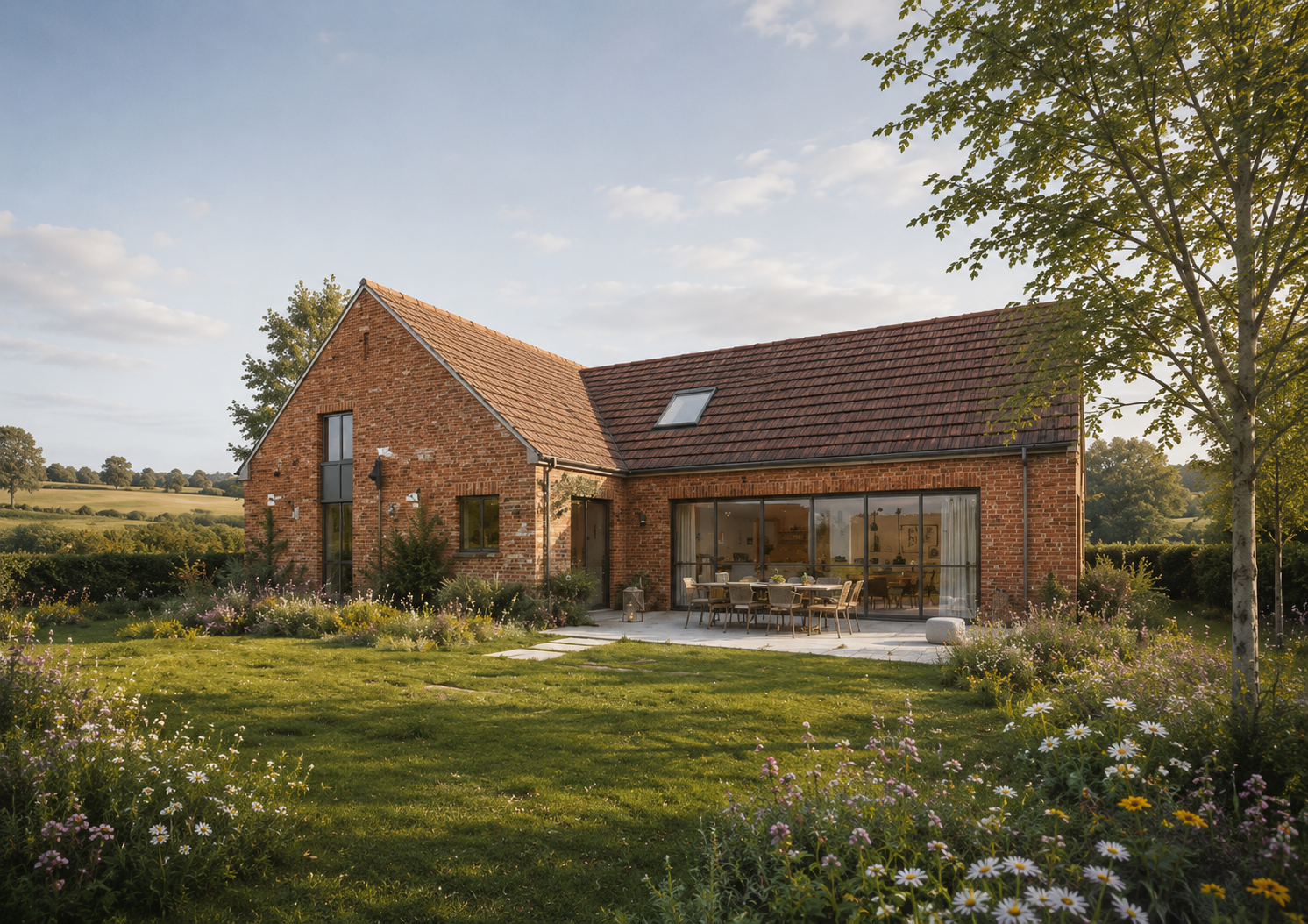
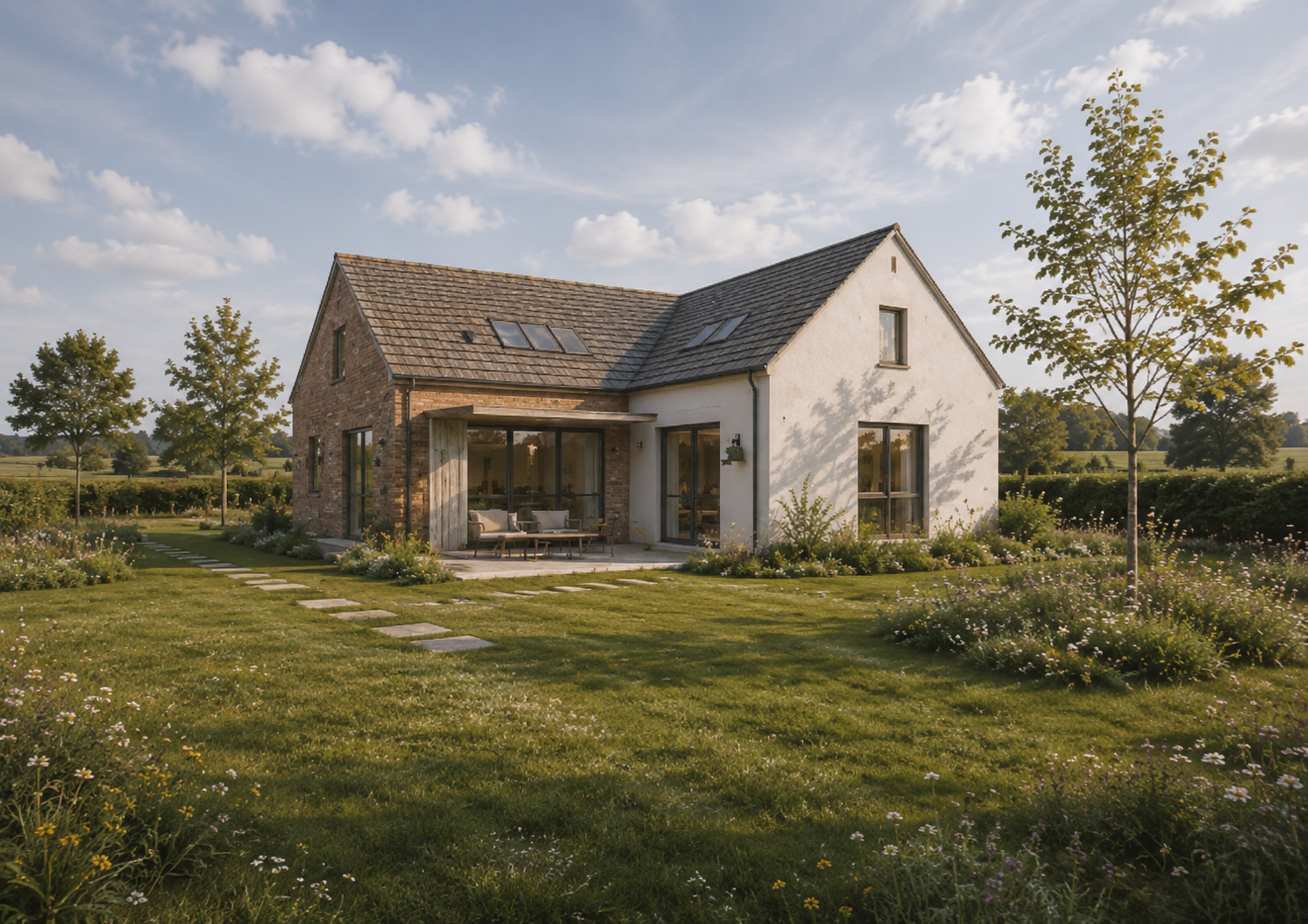
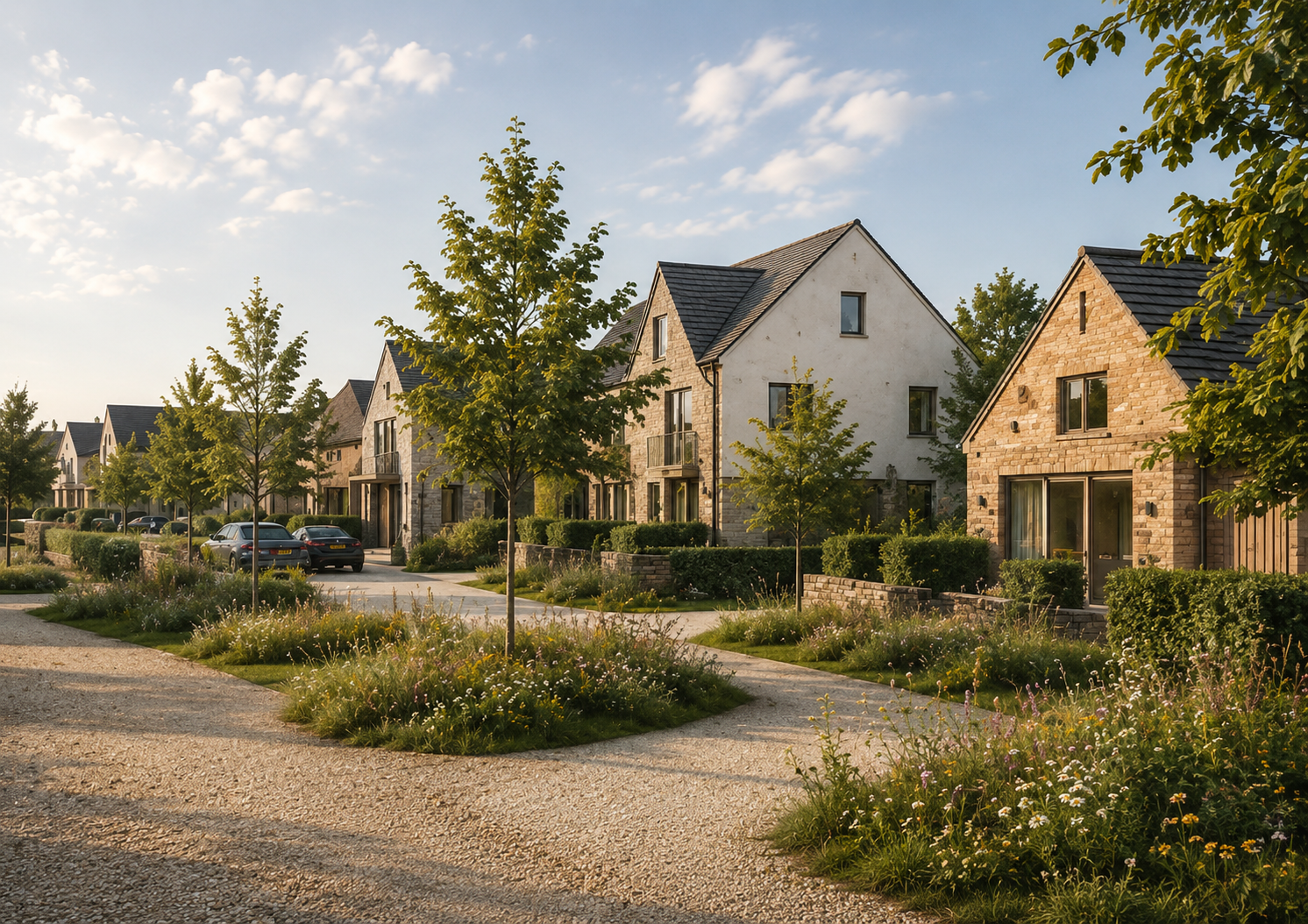
Honeybourne Road is a 0.4-hectare residential development site on the northern edge of Bretforton, adjoining the established village but lying outside its defined development boundary. The land is agricultural, with existing homes immediately to the south and open countryside extending to the north and west. Mature roadside vegetation and protected trees form an important part of its character and development constraints.
The project used the Permission in Principle route to establish residential development before progressing into detailed design. An initial capacity of up to nine homes was tested, with the application subsequently reduced to a maximum of six to reflect the developable area, existing frontage pattern and tree constraints. Permission in Principle for up to six homes was granted by Wychavon District Council in March 2023.
Location Bretforton, Worcestershire
Use Residential · Rural Development
Status Permission in Principle Approved
Scale Up to 6 homes · 0.4 ha
Role Developer · Architecture
Using planning strategy to establish development value
The site was approached as a development opportunity rather than beginning with a fixed architectural proposal. Working alongside the project's planning advisers, the first objective was to establish whether residential development could be accepted in principle on land outside Bretforton's defined development boundary.
Permission in Principle provided a proportionate route to test the location, land use and amount of development before progressing into detailed design. The successful PIP established the principle of residential development for up to six homes.
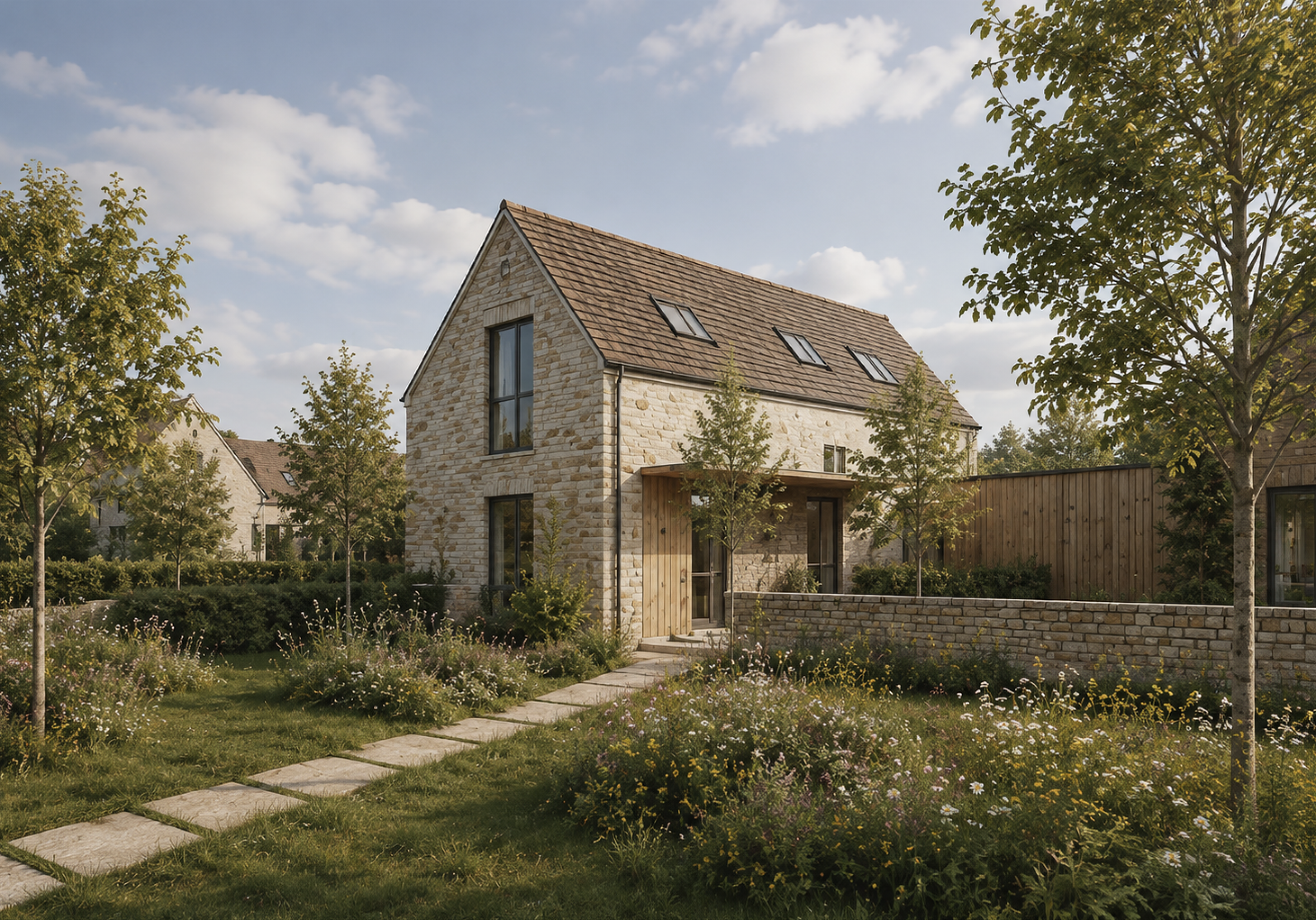
The project subsequently progressed into architectural design, with a detailed proposal for four homes. That application was refused, exposing the distinction between establishing the principle of development and demonstrating that a particular form of development can be satisfactorily delivered on the site.
Role
Developer · Architecture
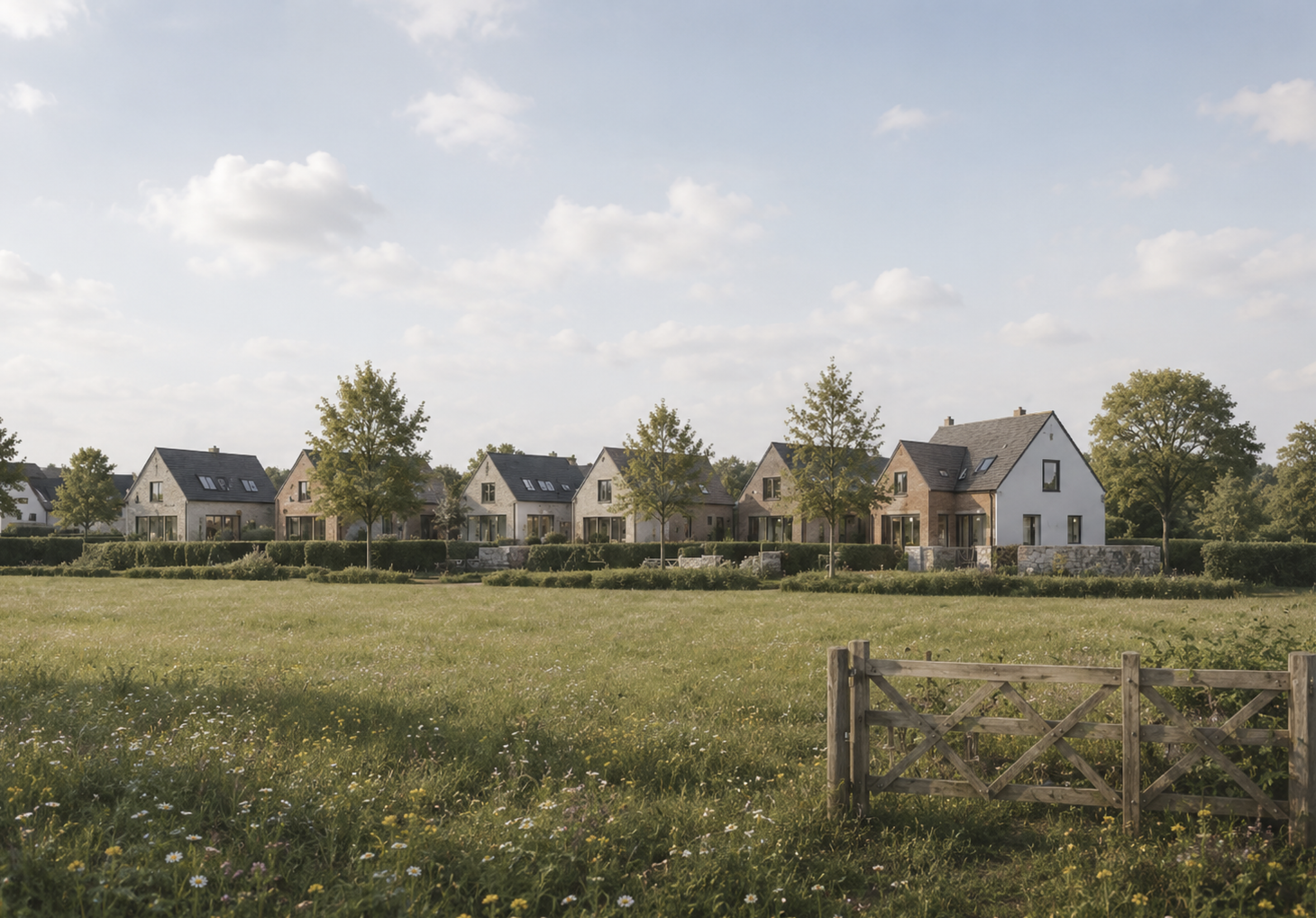
Testing the detail before relying on the principle
Permission in Principle successfully established residential development on land outside Bretforton's settlement boundary. The subsequent architectural work, however, demonstrated that securing the principle of development and establishing a deliverable scheme are not the same thing.
Although detailed design is not required at PIP stage, the experience highlighted the value of testing the fundamentals much earlier. Access, trees, landscape, drainage, development capacity and neighbouring relationships can materially affect what can ultimately be delivered.
That experience now informs SWAP's approach to early-stage development advice. Planning strategy should be accompanied by proportionate architectural and development testing — not to design a scheme prematurely, but to understand whether the planning proposition can realistically translate into a viable and deliverable development.