RURAL
Orchard Fields
Broadway, Worcestershire
Residential · Landscape-led Development · Planning Strategy
Testing a residential opportunity on the edge of Broadway
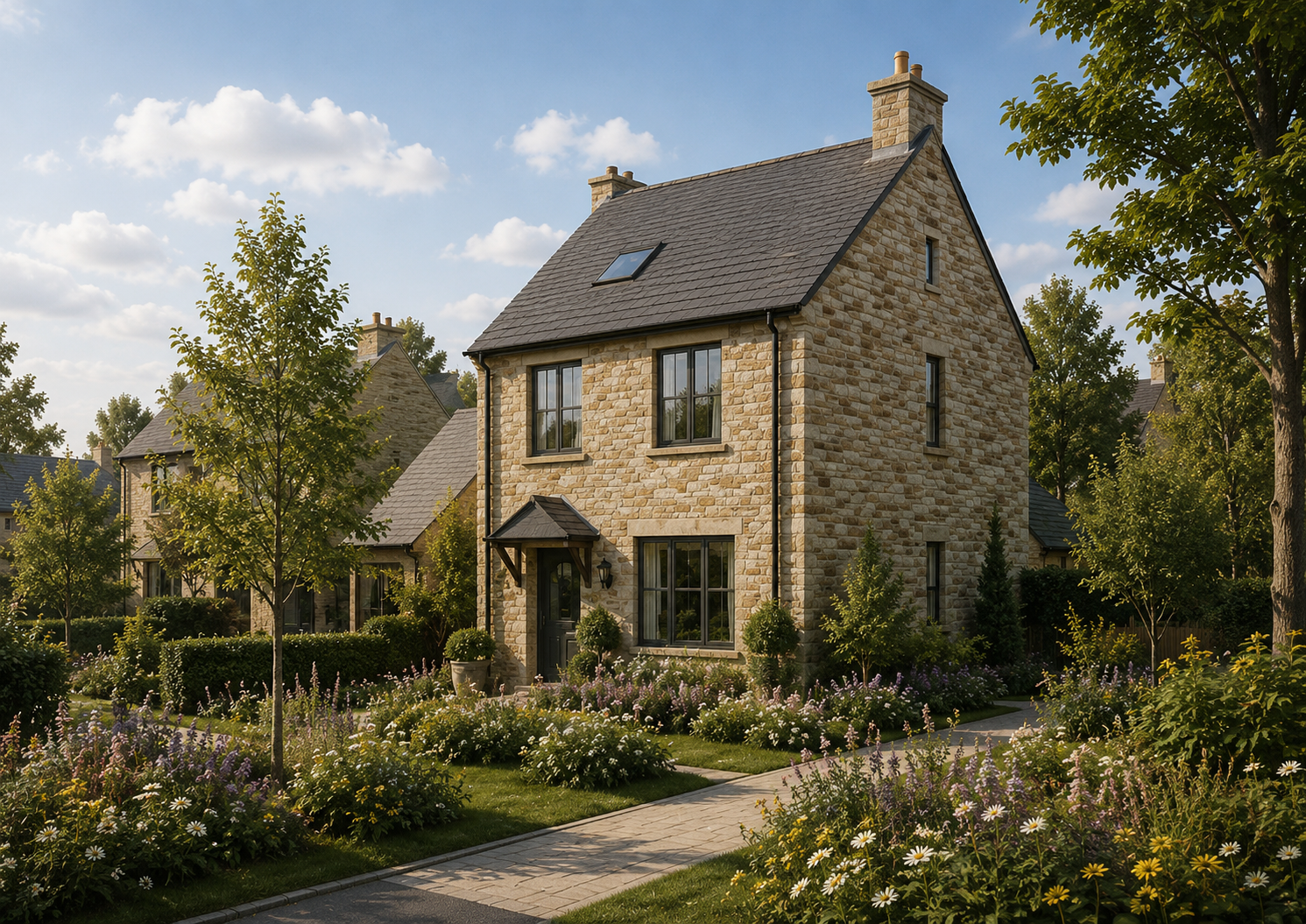
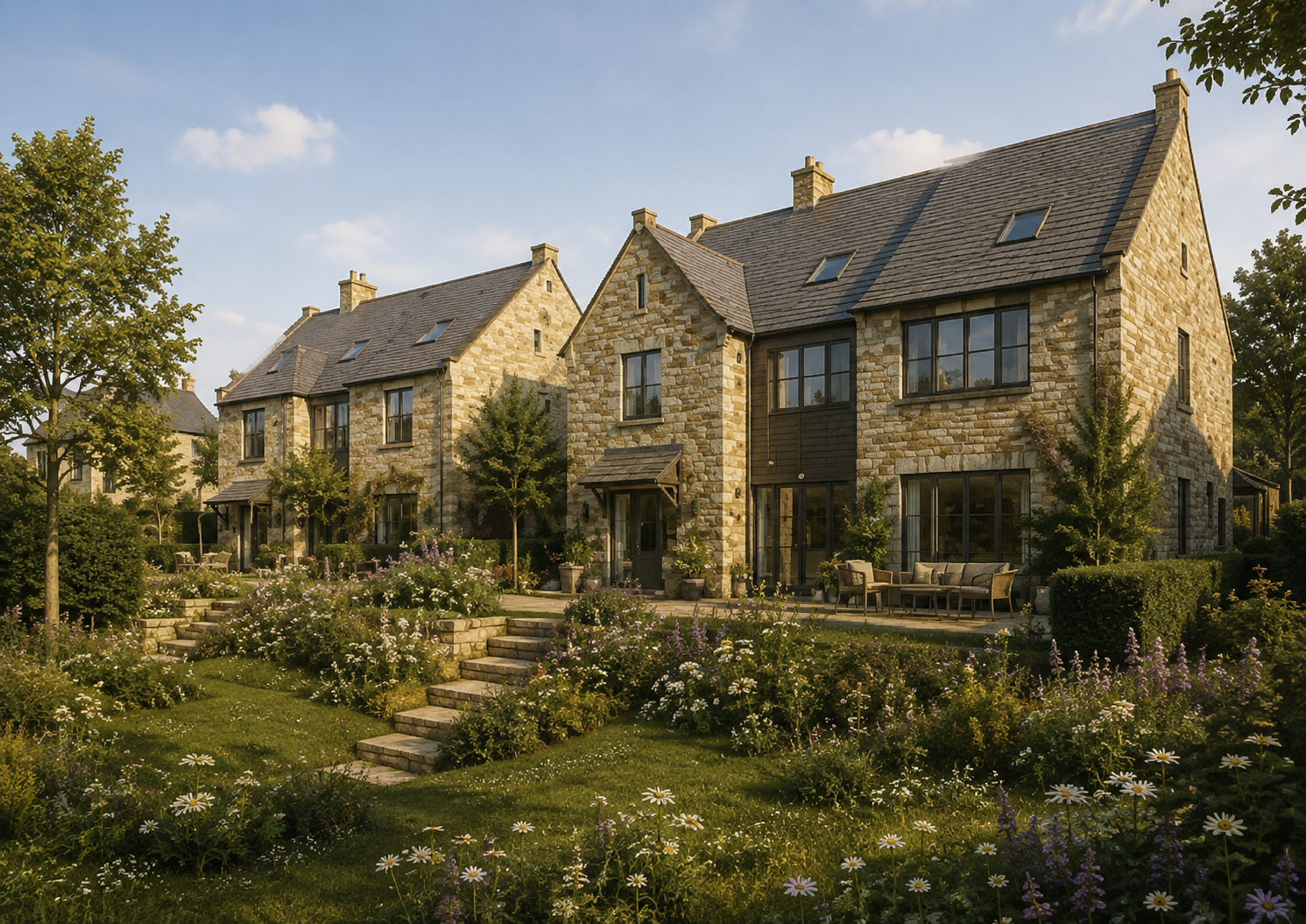
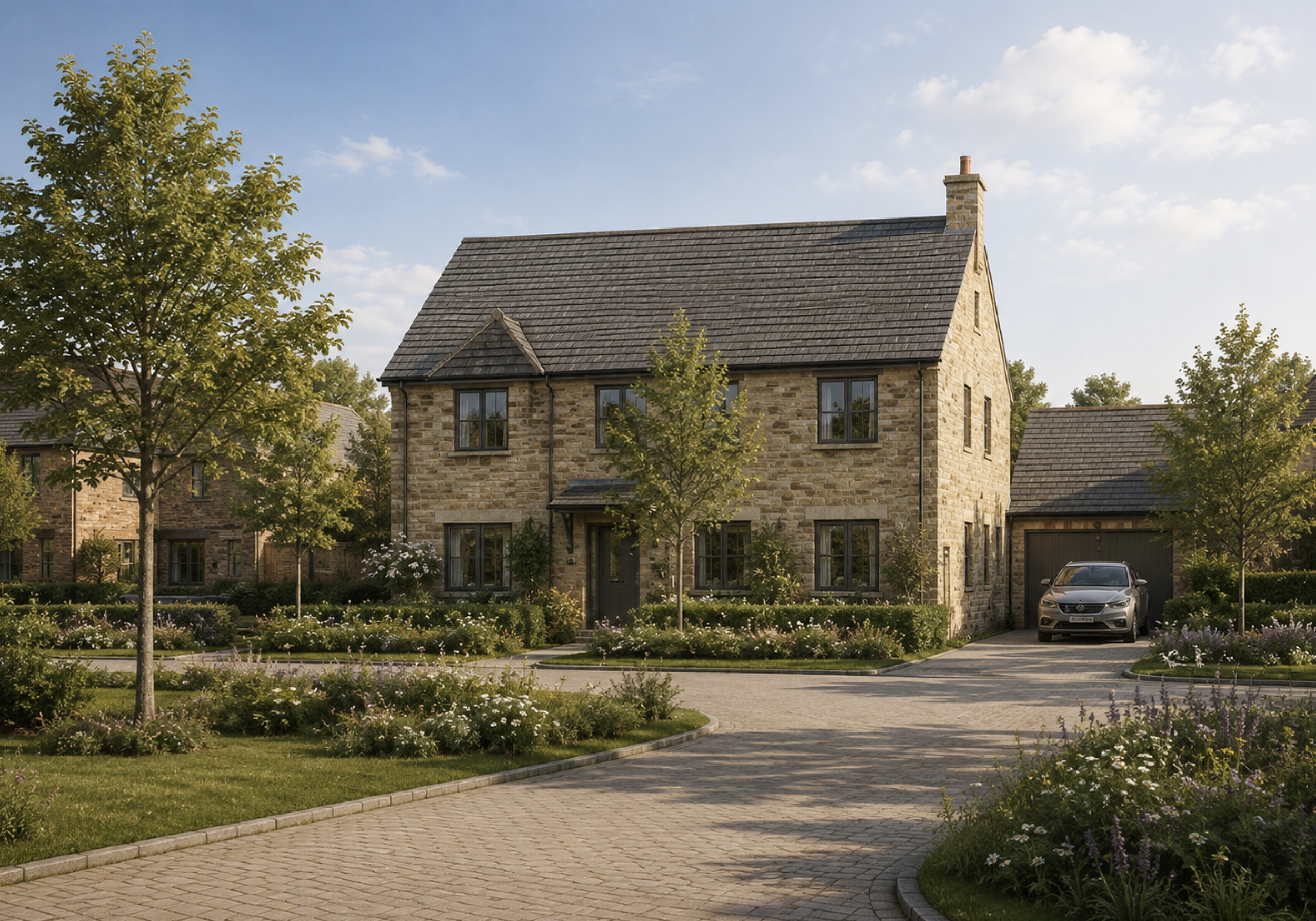
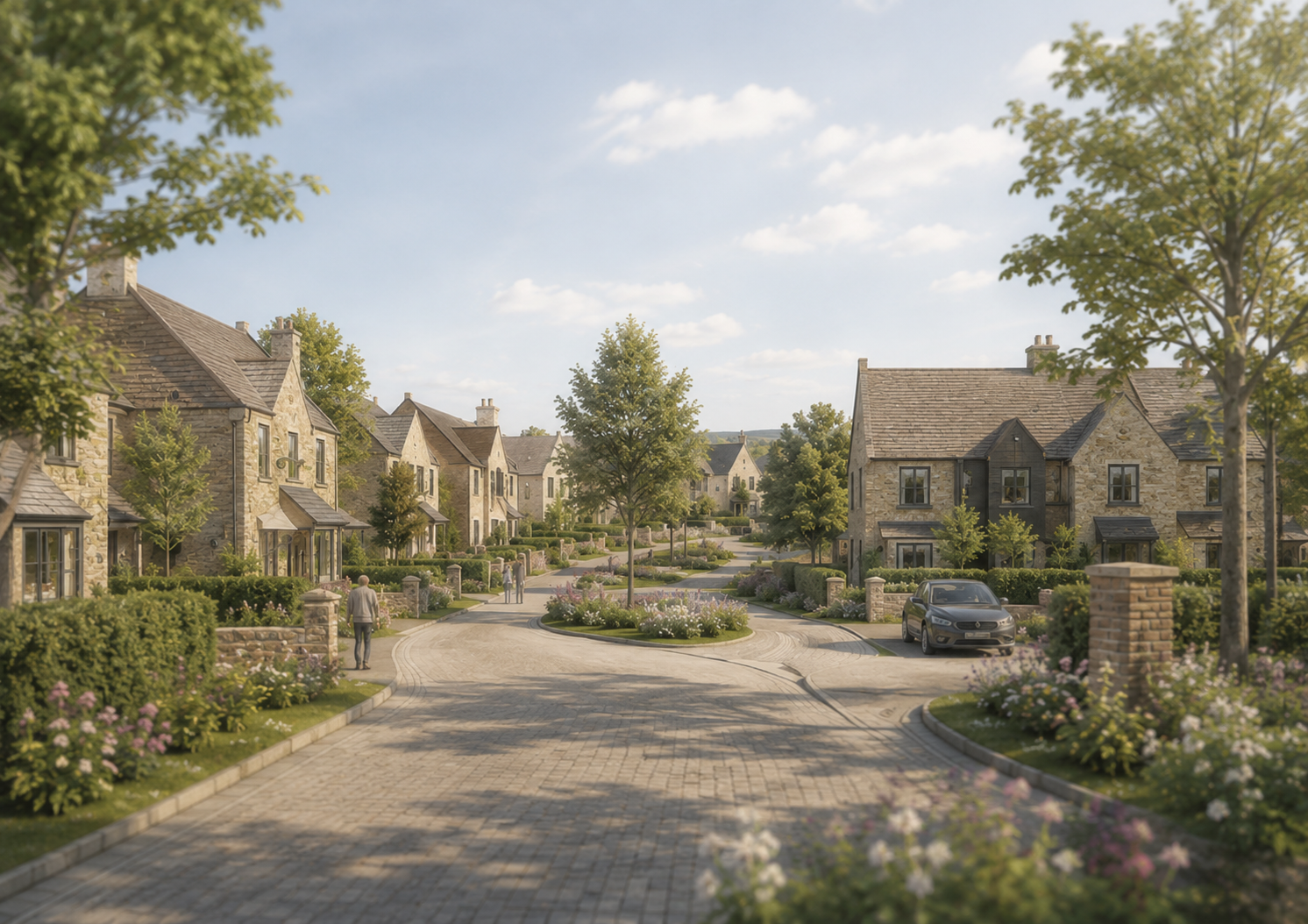
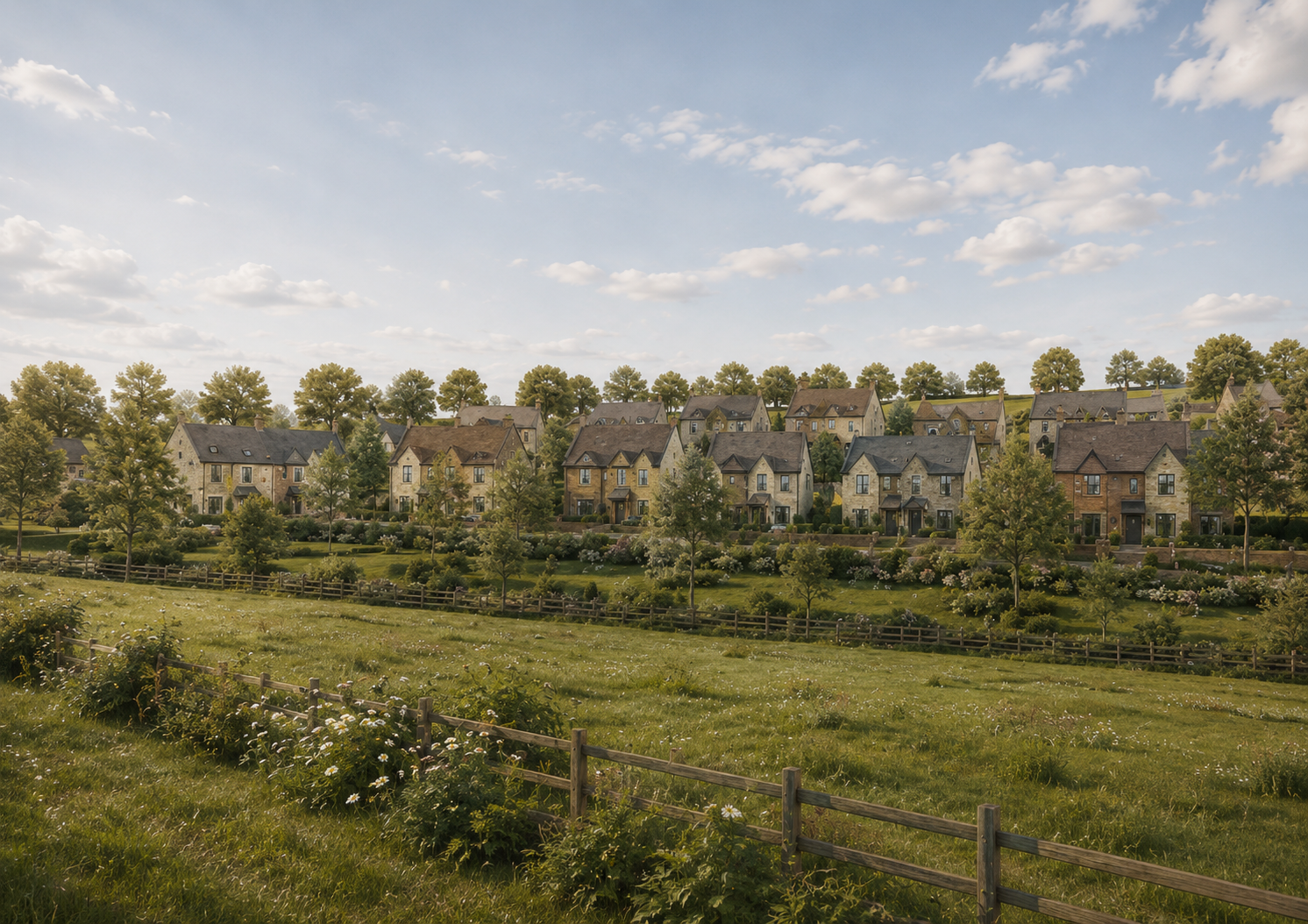
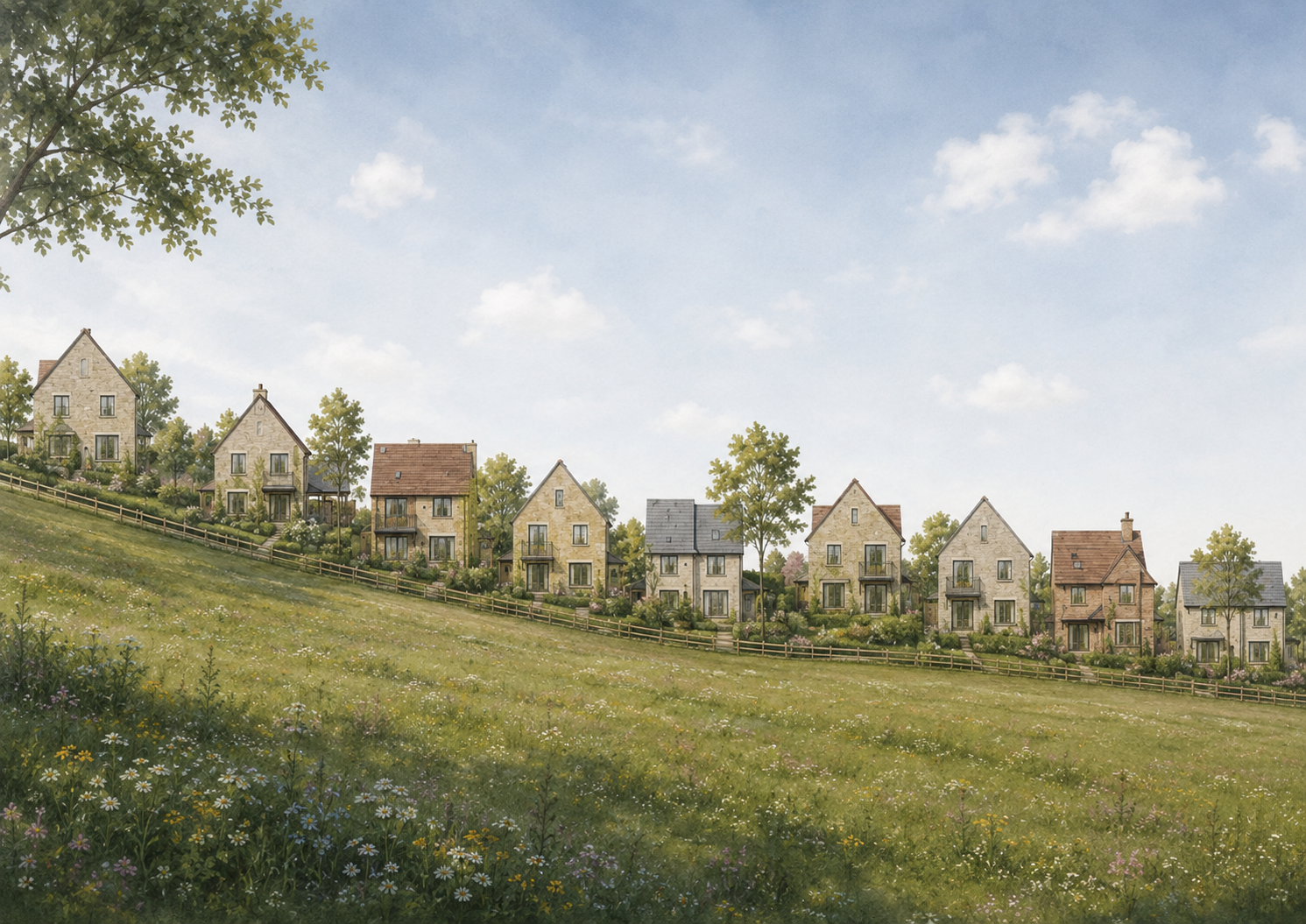
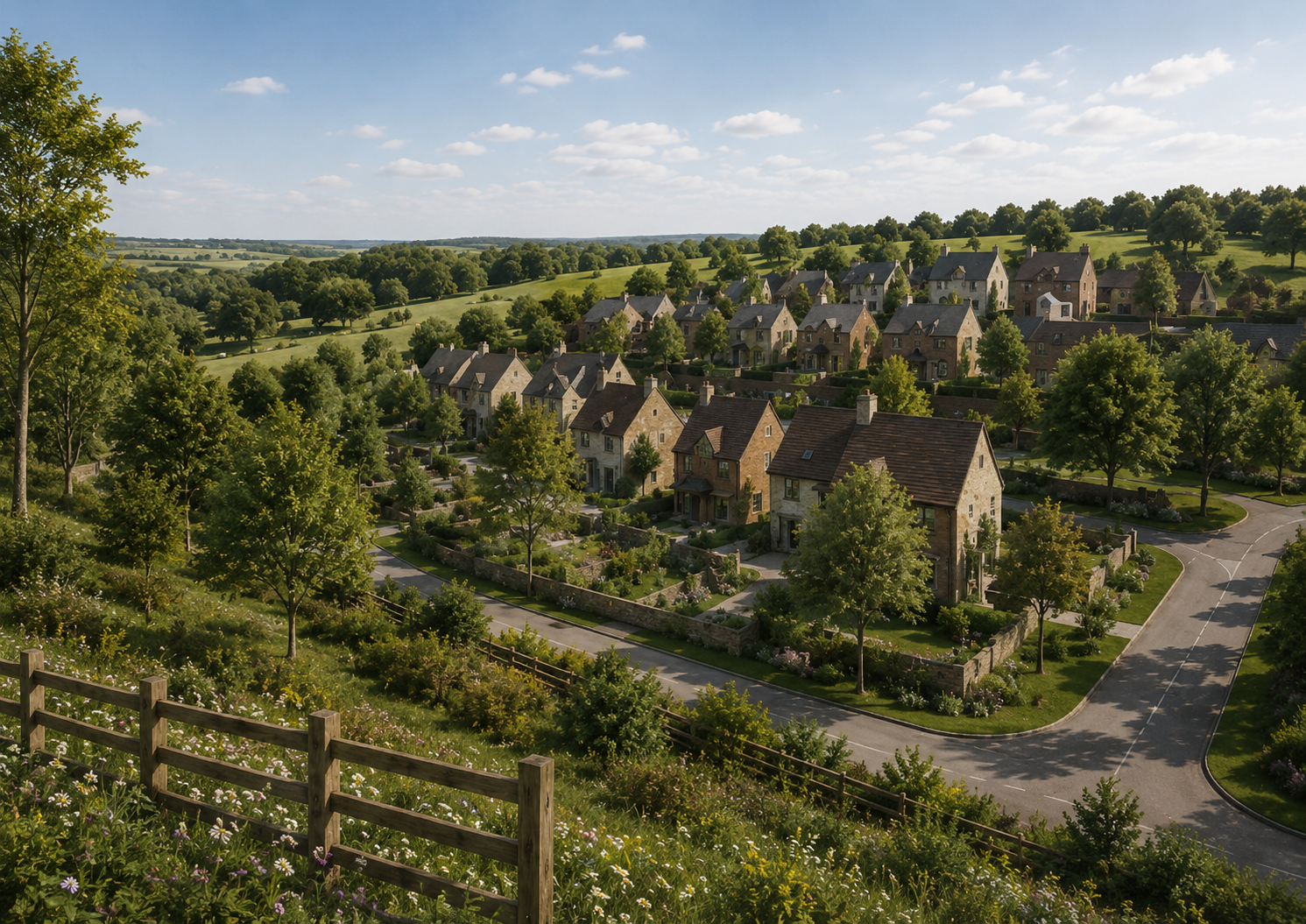
Orchard Fields explored the potential for residential development on a former garden nursery on the outskirts of Broadway. An initial concept tested approximately 20 homes within a substantial green framework, with development arranged around retained landscape features, new planting and shared green space.
The site initially appeared to present some of the characteristics of a previously developed opportunity. However, its former horticultural and nursery use was an important planning consideration: land and buildings associated with agricultural or horticultural uses do not necessarily constitute previously developed land. Combined with its position outside Broadway's defined development boundary and within a highly sensitive landscape context, this materially affected the prospects for residential development.
Rather than progressing directly towards a planning application, the opportunity was assessed from a development, planning and architectural perspective to establish whether there was a sufficiently robust route forward.
Location Broadway, Worcestershire
Use Residential · Rural Development
Status Development Feasibility
Scale Approx. 20 homes tested
Role Development Appraisal · Planning Strategy · Architecture
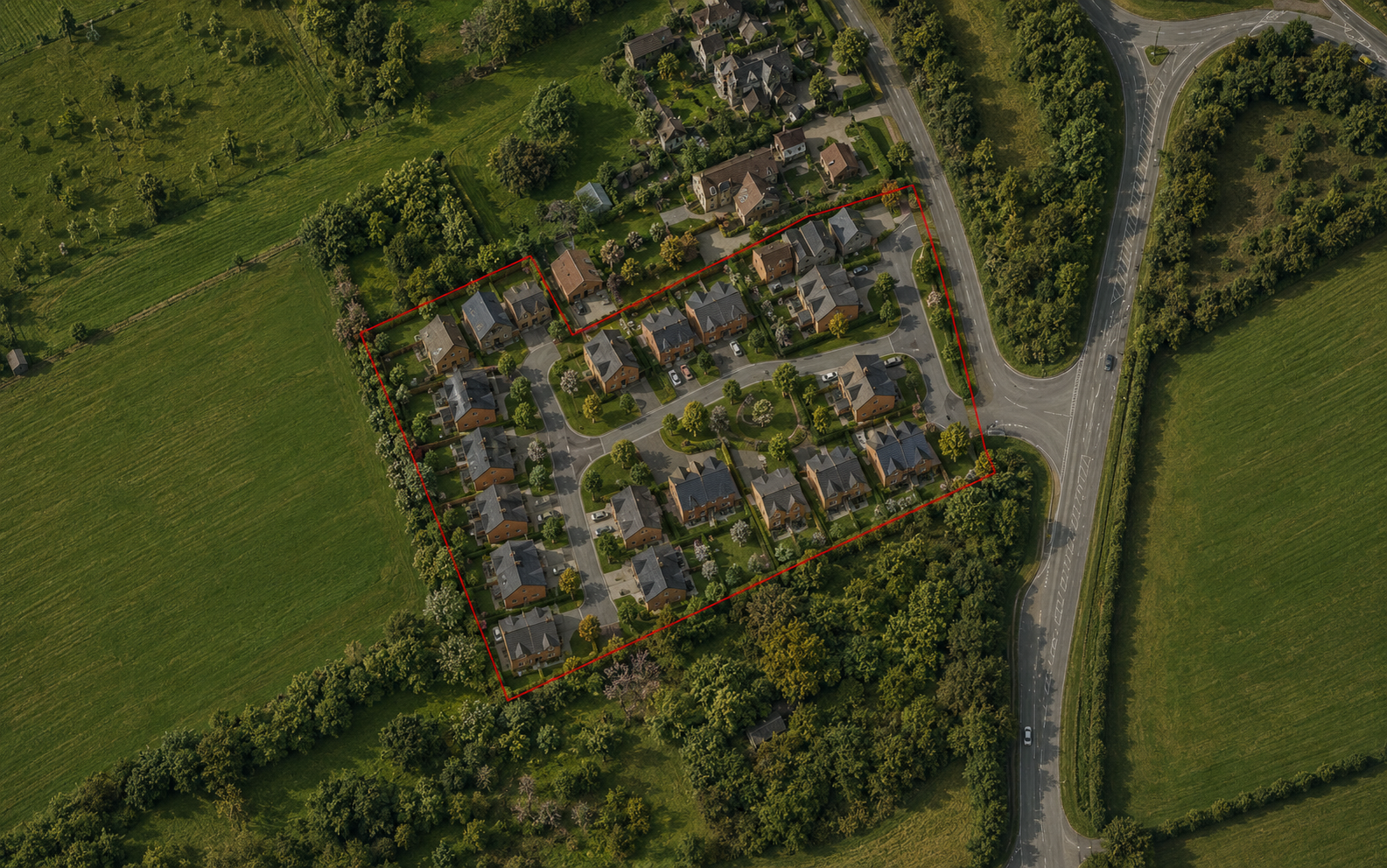
Establishing whether the opportunity was worth pursuing
The starting point was not to assume that a former nursery represented an obvious brownfield housing opportunity. Its planning status, relationship with the settlement and landscape sensitivity all needed to be understood before committing significant time and capital to development.
An initial capacity study tested approximately 20 homes, alongside the landscape structure, access and broad development envelope. This allowed the opportunity to be considered not simply in terms of how many homes could physically fit, but whether there was a credible planning and development case for pursuing them.
The assessment ultimately identified significant challenges. In particular, the former nursery use did not provide the straightforward previously developed land argument that might initially have been assumed. Combined with the site's countryside location and landscape sensitivities, this materially increased the planning risk.
The decision was therefore taken not to progress the opportunity further.
ROLE
Planning Strategy · Planning Application Management · Development Strategy · Feasibility · Development Appraisal · Architectural Design · Development Advice
Knowing when not to develop
The value of early development work is not always measured by securing a planning permission. Sometimes it is about identifying the issues that fundamentally affect an opportunity before committing significant resources to it.
At Orchard Fields, architectural capacity testing demonstrated that residential development could physically be accommodated. The more important question was whether that development had a sufficiently strong planning basis. Investigation of the site's former nursery use, countryside location and landscape constraints suggested that the planning case carried a level of risk that did not justify progressing the opportunity.
The project therefore stopped at feasibility stage. That decision reflects the approach now taken by SWAP: planning, architecture and development appraisal considered together at the outset, so that effort is concentrated on opportunities with a credible route to delivery.